
Where Mercury Still Hides at Home: EPA's List of Everyday Products, and How to Get Rid of Them
Clearing out an older home turns up the usual garage finds: a wall barometer, a chest freezer, a box of old thermostats, and a bulky television from before the flat-screen era. EPA lists each of these as a possible source of mercury. Federal hazardous waste rules exempt households, but EPA still asks homeowners to send these items to household hazardous waste collection instead of the trash.
Exempt from the rules, but not from the advice
The confusion comes from how the federal rules are written. Under the Resource Conservation and Recovery Act, mercury-containing items such as light bulbs, thermostats, barometers, manometers and certain switches count as “universal wastes,” and businesses that handle them must follow specific storage, transport and disposal rules. The next line on the same EPA page says “Households are exempt from these regulations.”
That exemption tells you what federal law requires of a household. It doesn’t tell you the trash is a safe place for mercury, and several states and municipalities do not recognize the exemption for households. Vermont, for example, bans all mercury-containing waste from landfills, including mercury-containing waste generated by households.
Labeling is another tool: some states prohibit the sale of products that contain mercury unless they carry a label saying so and information on proper disposal.
So your legal duty depends on where you live. EPA’s advice is the same everywhere: recycle mercury-containing products rather than putting them in regular household trash.
What to look for, room by room
EPA’s consumer products page says that, unless it notes otherwise, the items on its list need to be properly disposed at household hazardous waste collection centers if they contain mercury.
| Where you’ll find it | Items EPA lists | EPA’s disposal note |
|---|---|---|
| Antiques | Barometers, clock pendulums, mirrors, vases, organs | Household hazardous waste collection |
| Garage and laundry | Older chest freezers, space heaters, dryers, irons, washers | HHW center or appliance recycler |
| Kitchen, basement, RV | Older gas ovens, water heaters and furnaces with mercury pilot-light sensors; gas appliances in some RVs | Household hazardous waste collection; ask the manufacturer if unsure |
| Driveway | Cars made before 2003 (mercury switches and relays) | Removed by dismantlers |
| Electronics | LCD screens, laptop shutoffs, TVs made before 1991 | Household hazardous waste collection |
| Jewelry box | Some imported jewelry with mercury in glass | Household hazardous waste collection |
| Light fixtures | Fluorescent tubes, CFLs, HID, ultraviolet and neon lamps | Household hazardous waste collection |
| Gun cabinet, tackle box | Rifle recoil suppressors, archery bow stabilizers, fishing tip-up light switches | Household hazardous waste collection |
| Walls | Mercury thermostats | HHW collection, for recycling |
| Medicine cabinet, workshop | Thermometers, manometers | State or local collection/exchange programs |
You won’t see the mercury in most of these. EPA says older appliance models may contain mercury switches that turn the machine on or off or switch a light on or off. Electronics follow a similar pattern: mercury is used in LCD screens and monitors and in laptop screen shutoffs, and televisions manufactured before 1991 may contain mercury switches. Some pieces, mostly imported from Mexico, hold liquid metallic mercury sealed in glass, and the mercury can spill if the glass breaks.
Older gas-fired ovens, water heaters and furnaces may have pilot light sensors containing mercury; if you don’t know whether an appliance does, EPA says to contact the manufacturer. Cars manufactured before 2003 may contain mercury switches or relays, used in trunks and hoods, heated rear windows, air-bag and seatbelt sensors and anti-lock brakes, and these need to be properly removed by dismantlers.
Lamps are on the list too: fluorescent bulbs, CFLs, high intensity discharge (HID) lamps, ultraviolet lamps and neon lights. So is some sporting equipment: rifle recoil suppressors, stabilizers in archery bows, and switches in fishing tip-up lights.
Why can’t these items go in the regular trash?
EPA says mercury thermostats are unlikely to break or leak mercury while in use but still need proper disposal once they’re replaced. Antiques are different: EPA advises inspecting them for cracks or leaks and handling them with care when moving them.
EPA names two problems with putting them in the trash. Once landfilled, mercury from these products may reach groundwater and possibly drinking water sources. Once incinerated, it may end up in the air. Recycling keeps the products out of both.
Reading the label on a “low-mercury” bulb
Some fluorescent tubes have green end caps. EPA says these lamps are marketed as “lower” in mercury content, and that EPA does not regulate the labeling of low-mercury lamps. In states that regulate all fluorescent bulbs as hazardous, regardless of their mercury content, the label doesn’t change where the bulb has to go. If you’re unsure, take it to collection.
Packing for the drive to collection
EPA’s packing steps for mercury-containing products work for most cleanouts:
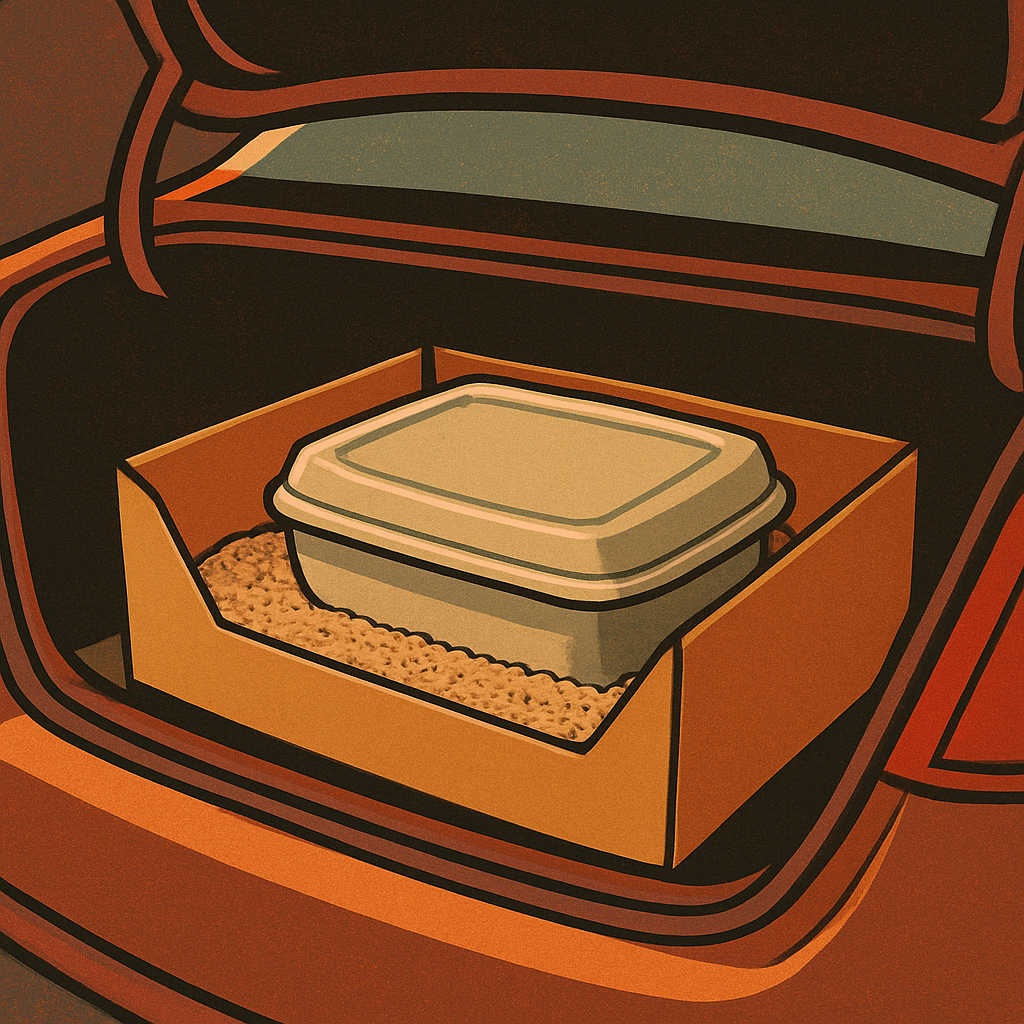
- Place each product inside a larger container with a tight-fitting lid.
- Surround it with kitty litter or an oil-absorbent material to protect it from breaking or sudden shocks.
- Label the container “Mercury - DO NOT OPEN.”
- If you have to wait for a collection day, keep products in their original containers with the labels intact, out of reach of children and pets.
- Carry the containers to the collection center in a cardboard box, secured so they don’t tip over.
Where the collection programs are
EPA points to local programs: many states and local agencies run collection or exchange programs for devices such as thermometers, manometers and thermostats, and some counties and cities hold household hazardous waste collections. To find one, EPA says to contact your local officials to learn when and where a collection will be held in your area, or to search Earth911.com using your zip code or address.
Large appliances follow a separate route. EPA says to contact your state or local household hazardous waste center or a local appliance recycler.
If something breaks first
EPA’s consumer page covers what to do when mercury spills from a product such as a CFL or thermometer. Those cleanup steps are in this site’s existing CFL breakage and mercury thermometer cleanup guides, so they aren’t repeated here. Start there if a bulb or thermometer breaks during the cleanout.
For everything that stays intact, the steps are simple: identify the items, pack them securely and take them to collection. Federal rules exempt households, but EPA still recommends collection, and some states, such as Vermont, require it.
Sources
- epa.gov – “Mercury in Consumer Products”
- epa.gov – “Frequent Questions About Universal Waste | US EPA”
- epa.gov – “Storing, Transporting and Disposing of Mercury”