
Lead in Your Yard Soil: Where EPA Says It Builds Up, and How to Get It Tested
Lead in soil usually doesn’t fade over time. The EPA’s Lead in Soil page explains that lead is an element, so it stays in the environment even after the original source is gone. A house repainted decades ago, or a road where traffic once burned leaded gasoline, can leave lead in the dirt around it.
You’ll learn how to test garden soil for lead using the EPA’s current guidance. By the end, you’ll know which spots in your yard to test first, which testing route fits your situation, and what to do while you wait for results.
Step 1: Map the spots where lead tends to build up
You don’t need to test every square foot. Start with the places the EPA names. According to the agency, higher levels of lead are typically found in soil near:
- Roadways, because of exhaust from vehicles that once used leaded gasoline
- The exterior of older buildings, especially the dripline, where lead-based paint was used or where there were lead gutters and flashing
- Hazardous waste sites, lead smelters, battery processing sites or industrial areas where lead has been released
The EPA also notes that older playground equipment can still contain lead-based paint, and that artificial turf and playground surfaces made from shredded rubber can contain lead. If you have an old swing set or a rubber-mulch play area, add it to your list.
Draw a rough sketch of your property and label each zone. For example:
- Zone A – Dripline, back wall (kids’ digging spot)
- Zone B – Strip along the street (lawn)
- Zone C – Vegetable bed, south side
- Zone D – Under the old swing set
Common mistake: skipping the dripline because the house has been repainted. New paint on the walls doesn’t remove lead that already got into the soil below.
Step 2: Match each zone to how your family uses it
A contaminated patch matters most where people touch it. The EPA says both children and adults can be exposed through playing or gardening in contaminated soil. That can happen by swallowing soil, or by touching soil and then touching your mouth or face. You can also be exposed by eating fruits and vegetables grown in contaminated soil.
Lead can also come indoors. The EPA notes that soil can be tracked into homes on shoes, clothes, pets or other objects, which adds to the lead in household dust.
Rank your zones with that in mind. A bare dirt patch where a toddler plays goes ahead of a grassy strip nobody uses. The vegetable bed belongs near the top of your list.
Step 3: Choose a testing route
The EPA lists several options. They differ in cost, convenience and how much help you get understanding the results.
| Option | What EPA says about it |
|---|---|
| Accredited lab (NLLAP) | The best way to test |
| Mail-in home kit | You collect soil, a lab analyzes it |
| State extension office | Offers lead testing at a cost |
| Local health department | Some may offer home testing |
| Certified lead risk assessor | Covers pre-1978 homes with kids under 6 |
According to the EPA, the best method is to send samples to a qualified laboratory, ideally one accredited under the agency’s National Lead Laboratory Accreditation Program. Home kits are not instant tests. The EPA describes them as kits you buy online and send to a lab for analysis.
The EPA notes that many state university agricultural departments and extension offices offer soil lead testing for a fee. Some local health departments may also offer it, so a phone call is worth it.
A certified lead risk assessor can identify soil-lead hazards at pre-1978 homes or buildings that children under 6 visit often.
Common mistake: buying a kit without checking where it sends your samples. Ask whether the lab doing the analysis is accredited under the national program.
Step 4: Call the National Lead Information Center if you’re stuck
If you can’t find an accredited lab or a risk assessor nearby, the EPA directs you to the National Lead Information Center at 1-800-424-LEAD (5323). The center can help you find either one.
Step 5: Garden and play more safely while you wait
The EPA recommends that you test soil used for any food crops and take steps to protect them. Its other gardening advice includes:
- Wash produce thoroughly, peel root crops, and throw away the outer leaves of leafy vegetables.
- Know which crops take up more lead. The EPA says root vegetables and leafy greens take up more lead than fruits like tomatoes, peppers and cucumbers.
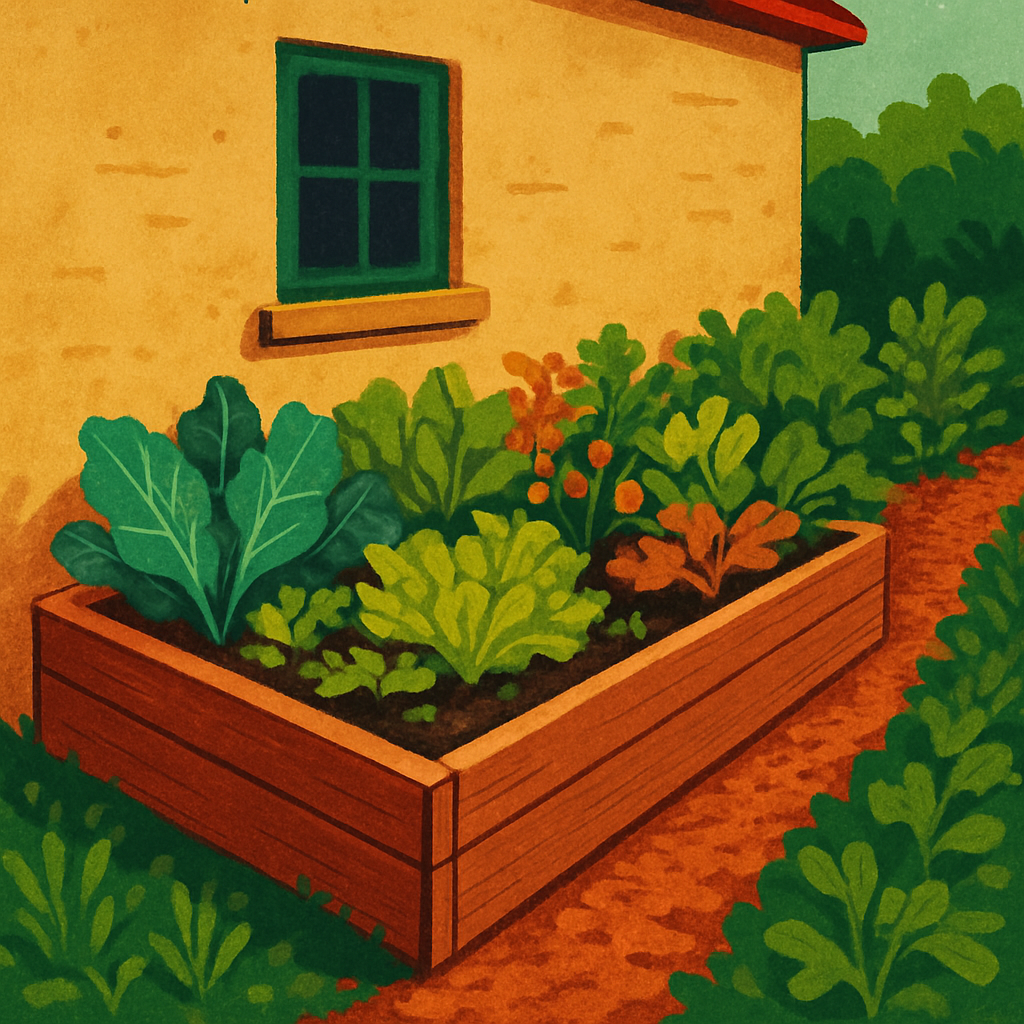
- Use raised beds or containers with clean soil in areas with higher lead levels.
- Plant food crops at least 10 feet away from buildings, roads and driveways.
To reduce tracking contaminated soil into your home, the EPA suggests placing doormats both outside and inside all entryways and removing your shoes before entering. It also recommends wiping pets’ fur and paws after they’ve been outside. Leave muddy tools and clothes outside, or wash them before bringing them in.
What a result actually tells you
It shows which zones need attention, so you can focus on those instead of worrying about the whole yard. If the dripline tests high and the vegetable bed doesn’t, you know where to cover soil, where to move a sandbox, and where to keep growing tomatoes as usual.
Of all the steps, testing your food beds and play areas is probably the best value. It costs a lab fee and an afternoon with a trowel. In return, you find out exactly where the problem is, or that there isn’t one.
Sources
- EPA – “Lead in Soil”