
Is Your Old Deck Arsenic-Treated Wood? What EPA Says About CCA Decks and Playsets
Before 2004, wood treated with chromated arsenicals was used in residential structures such as decks and playsets, so an older deck or playset may be built from it. Arsenic is the reason owners ask: in a memo on disposing of CCA lumber written after the 2003 phase-out, EPA’s Office of Solid Waste noted that arsenic is a known human carcinogen, and that the Agency believes any reduction in the levels of potential exposure to arsenic is desirable. Here is what EPA’s page on these wood preservatives says today about the wood, the risk, and what to do with an old deck.
What’s actually in the boards
Chromated arsenicals, which include chromated copper arsenate (CCA), are a group of pesticides containing chromium, copper, and/or arsenic. They protect wood from termites, fungi and other pests. The chemistry is not new. These compounds have been used as wood preservative pesticides since the 1940s.
Homeowners never applied CCA themselves. The pesticides are applied using specialized high-pressure equipment in wood treatment facilities by certified pesticide applicators only. Today, EPA says the treated wood is used to produce commercial poles, posts, shakes, shingles, permanent foundation support beams, pilings, and other wood products permitted by approved labeling.
The December 2003 cutoff, and what it left alone
The key date for deck owners is December 2003. That month, chromated arsenicals manufacturers voluntarily discontinued manufacturing chromated arsenicals-treated wood products for homeowner uses. The industry stopped on its own, and no federal ban forced it.
That has practical consequences. EPA does not require the removal of existing structures made with wood treated with chromated arsenicals or the surrounding soil. That includes the soil under an old playset: EPA’s page sets no cleanup step for it.
| Date | Event | Impact |
|---|---|---|
| 1940s | CCA in use as wood preservative | Decades of treated lumber in service |
| Before 2004 | Used in decks and playsets | Many home structures still standing |
| December 2003 | Makers stop homeowner products | Voluntary exit, not a ban |
| Ongoing | Registration review, every 15 years | EPA’s Interim Decision added protections for workers |
Is an old CCA deck a health risk to my family?
EPA’s answer is direct. Chromated arsenicals pose cancer and non-cancer health risks of concern to workers in wood treatment facilities. EPA did not find health risks of concern for the general public.
The rest of the regulatory record points the same way. Chromated arsenicals are going through registration review, a process EPA conducts for all pesticides every 15 years. In its Interim Decision under that review, EPA implemented additional mitigation measures to protect workers who apply chromated arsenicals.
That does not mean EPA calls the chemicals harmless. The same page says chromated arsenicals pose risks to aquatic invertebrates and plants. EPA’s own maintenance advice, covered below, also assumes the chemicals can leach out of older wood. Its finding is narrower: the health risks it considers serious fall on workers, not on families who use a deck.
Coatings: advice, not a requirement
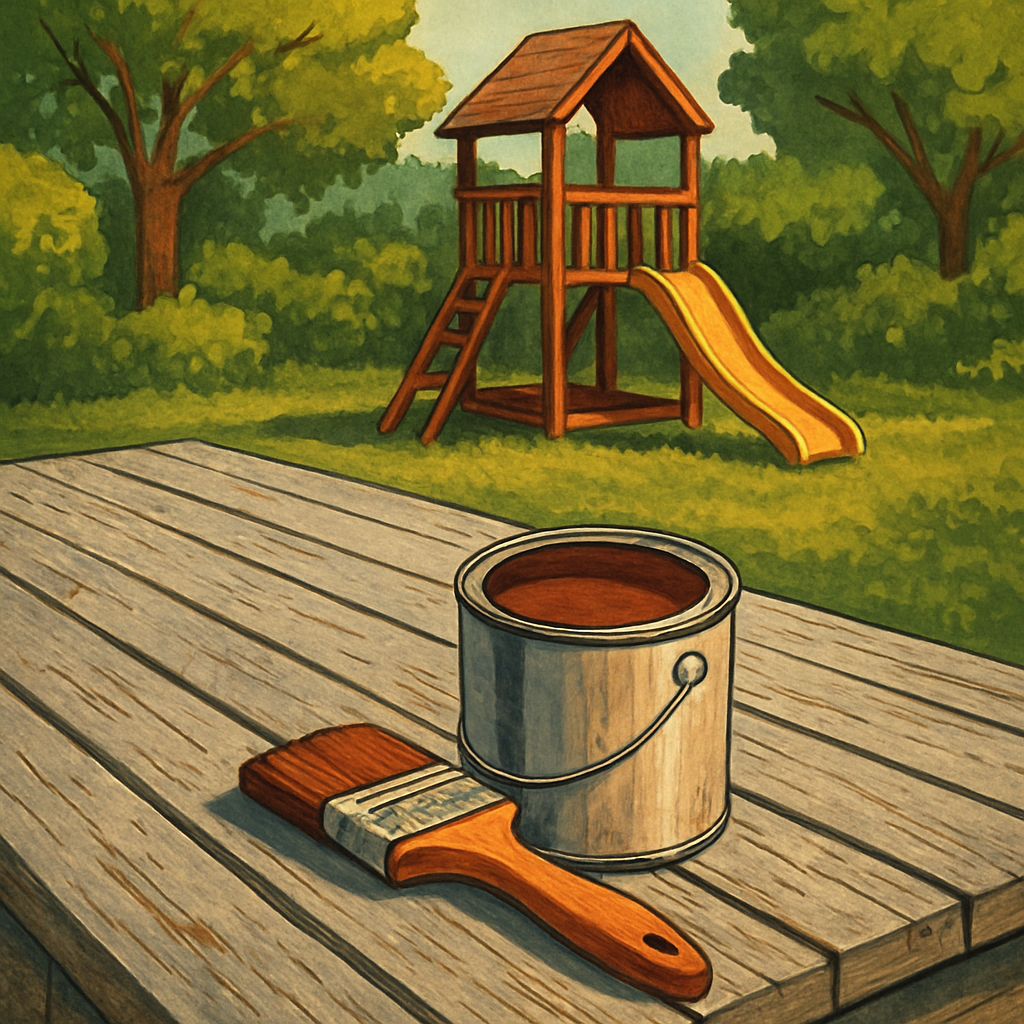
EPA does not require a coating. It suggests one: if you have an older deck or other structure made with CCA-treated wood, applying a penetrating protective coating (such as oil- or water-based stains) on a regular basis may reduce the leaching of chemicals.
EPA gives no figure for how much a coating reduces leaching.
Sawing, hauling and the burn pile
EPA’s handling and disposal advice for homeowners is short:
- Trash is usually fine. Treated wood can usually be disposed of by ordinary trash collection (i.e., as municipal solid waste).
- Check local rules first. State and local governments may have specific guidance or instructions for disposing of treated wood, so contact your state or local waste program.
- Don’t turn it into mulch. CCA-treated wood should not be reused in products such as mulch.
- Never burn it at home. Do not burn CCA or other preservative-treated wood in a residential setting to avoid possible inhalation of toxic chemicals in the smoke and ash.
- Protect yourself when you cut it. Wear goggles and a dust mask when sawing wood treated with chromated arsenicals and wash your hands after handling.
Businesses face different rules: for treated wood thrown out by non-households, it is the responsibility of the persons generating the chromated arsenicals-treated wood wastes to make a determination if it is hazardous waste. Reuse of CCA-treated wood is not subject to regulation by EPA under pesticide laws, apart from the advice above never to turn it into mulch.
If you replace rotted boards, EPA lists alternatives: wood treated with other preservatives approved by EPA; wood-alternative and composite materials; and species of wood that are resistant to pests.
What could change
Nothing on EPA’s CCA page suggests new rules for homeowners. The chemicals are still under registration review, docket EPA-HQ-OPP-2015-0349, so that docket is the place to watch.
Sources
- epa.gov – “Chromated Arsenicals (CCA)”
- rcrapublic.epa.gov – “Recommendation on the Disposal of Waste Lumber …”